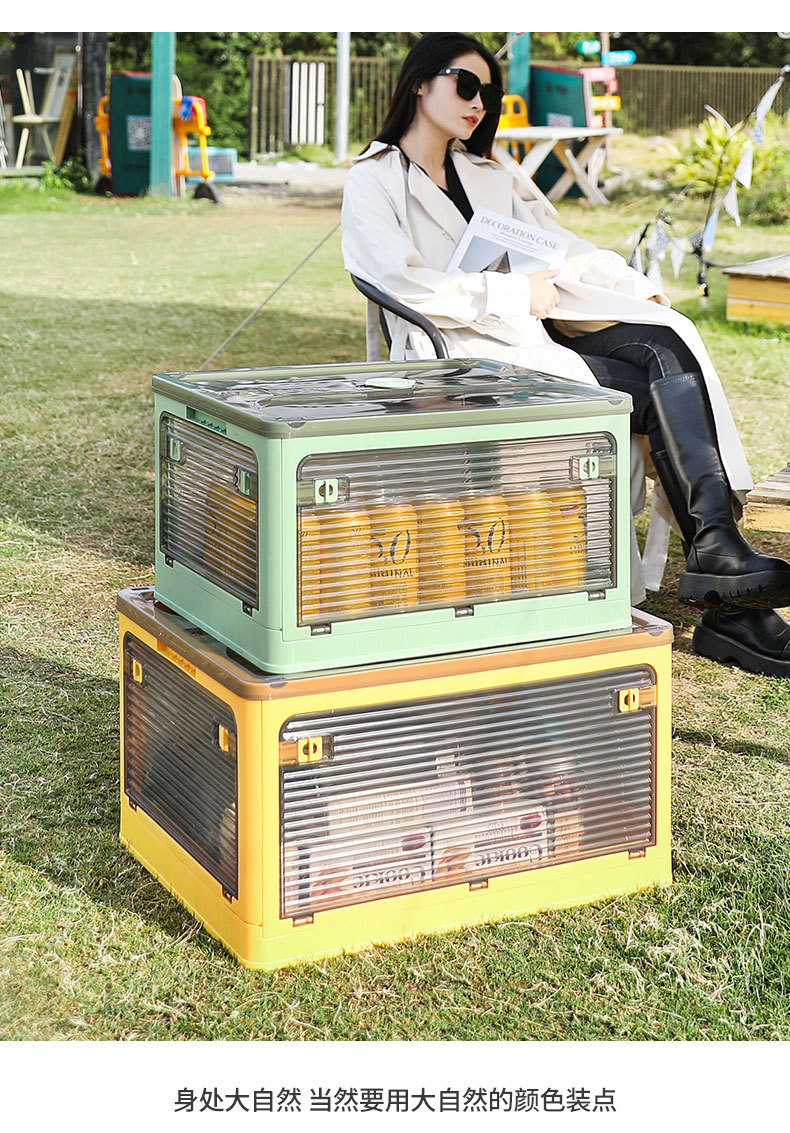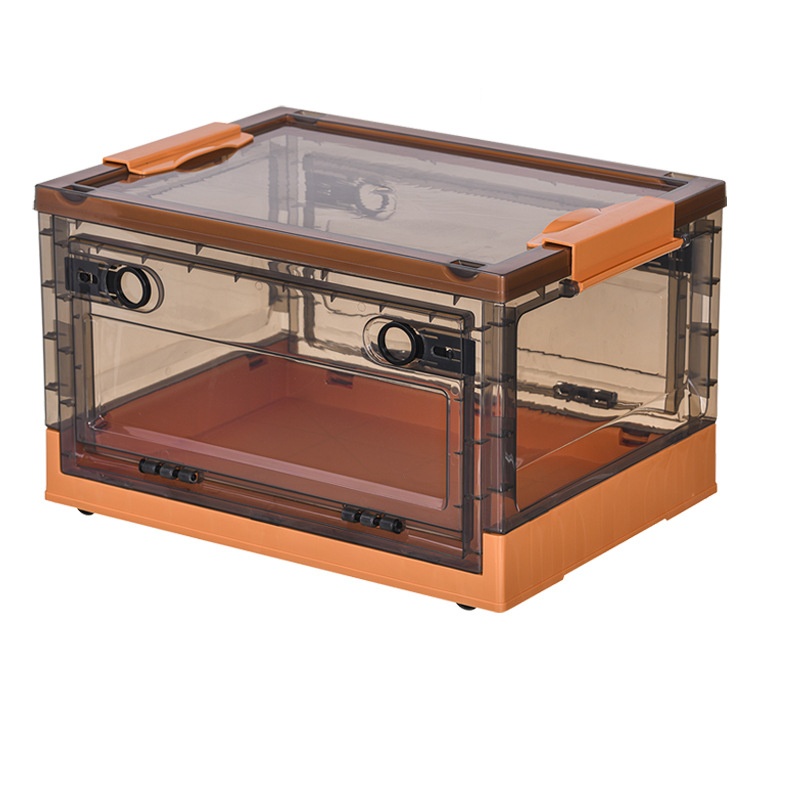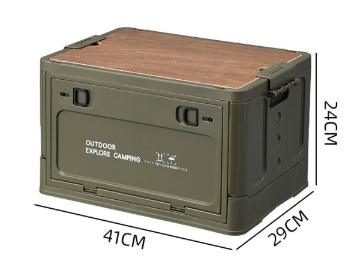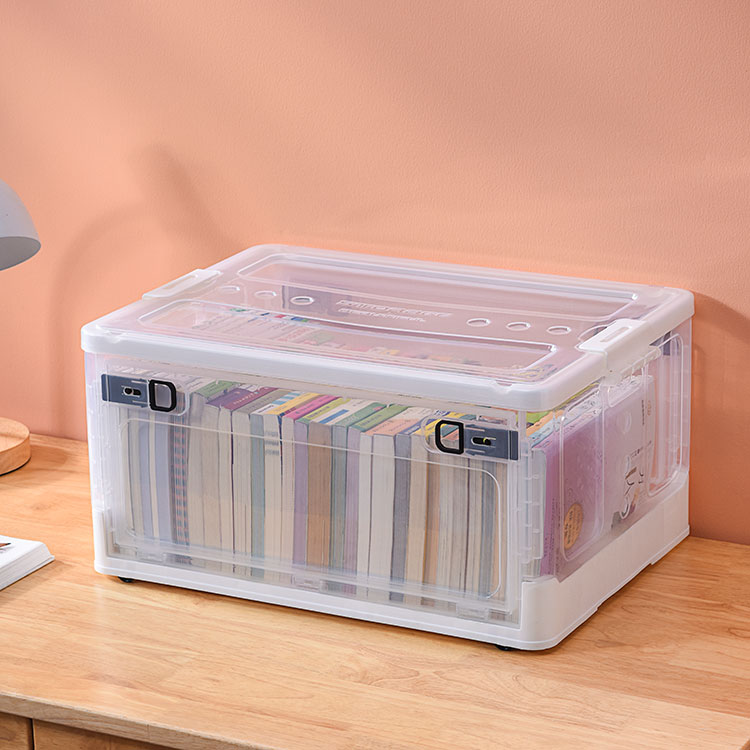

Folding storage boxes are widely used storage tools in daily life and industrial logistics, but most users only know their "storage and space-saving" functions, and know little about their internal structural design, material differences and correct usage methods. Many problems such as box deformation, cracking, poor load-bearing and easy damage during use are mostly caused by mismatched material selection and irregular operation, rather than simple product quality problems. Mastering the basic scientific knowledge of folding storage boxes can not only avoid purchasing pitfalls, but also effectively extend the service life of products and give full play to their storage performance.
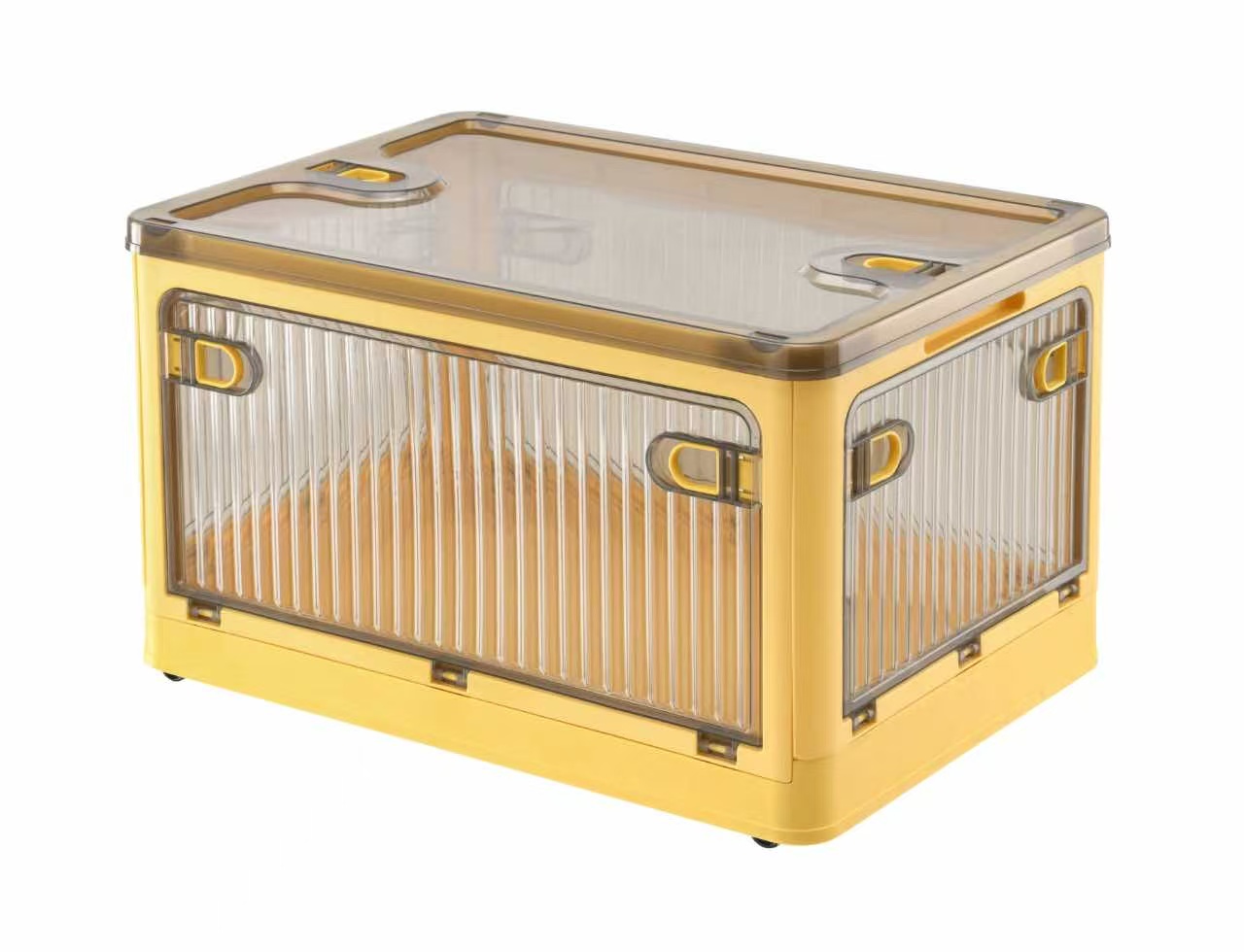
A folding storage box is a reusable container that can reduce its volume by folding the side and bottom plates when not in use. Its core design lies in the hinge connection structure and the force-bearing support system. A qualified folding storage box needs to maintain high structural rigidity and stability in the unfolded state, and realize rapid volume shrinkage in the folded state. At present, there are four mainstream folding mechanisms on the market, each with different structural principles and applicable scenarios.
Side-fold one-piece hinge structure. This is the most common household folding box structure. The four side plates are connected by integrated soft rubber hinges, and the bottom plate adopts a snap-fit design. When folding, first unlock the bottom plate, then fold the four side plates inward in turn, and finally flatten the whole box. Its advantages are simple structure, low cost and fast folding speed; it is widely used in household medium and small storage boxes.
Bottom-fold drop-down structure. This structure is mostly used for medium and large logistics turnover boxes. The side plates are fixed into a whole frame, and the bottom plate can be turned over and folded upward. After folding, the height of the box body is reduced by more than 70%, and the side frame still maintains a certain strength, which is convenient for forklift handling and layered stacking of empty boxes. It has strong load-bearing capacity and long service life, and is the mainstream structure of commercial and industrial folding boxes.
Four-door split splicing structure. The four sides of the box body are independent plates, which are fixed by side buckles when assembled, and can be completely disassembled and stacked when not in use. Its advantage is that it can be completely flattened with the smallest folding volume; the disadvantage is that the assembly steps are cumbersome and the buckle parts are easy to wear. It is mostly used for oversized storage boxes and infrequently used moving storage scenarios.
Collapsible accordion structure. The side plate adopts a multi-section foldable corrugated structure, which can be directly pressed down to shrink the height of the box body. It is easy to operate and can be folded in one second, but the side bearing capacity and sealing performance are relatively weak. It is mostly used for light-load storage scenarios such as desktop sorting and car trunk storage.
The material directly determines the safety, load-bearing capacity, durability and applicable scenarios of the folding storage box. At present, the mainstream materials on the market are mainly divided into four categories, and there are obvious differences in performance.
Polypropylene (PP). It is the most widely used general-purpose material for folding storage boxes. It has good toughness, certain impact resistance, is not easy to crack under normal temperature, and has low cost. Ordinary PP storage boxes are suitable for normal temperature household storage scenarios such as clothing, sundries and toys. It should be noted that ordinary PP will become brittle and easy to crack in low temperature environments below 0°C, so it is not suitable for outdoor cold storage or long-term outdoor use.
High-density polyethylene (HDPE). Compared with PP, HDPE has better low-temperature resistance and impact resistance, and can maintain toughness in an environment of -20°C to 60°C. It has higher hardness and stronger load-bearing capacity, but the cost is also higher. It is the preferred material for industrial logistics turnover boxes, cold chain transportation boxes and outdoor storage boxes. Products that meet food contact grade HDPE can be safely used to store food, fruits and vegetables.
PCR recycled plastic. PCR (Post-Consumer Recycled) material is made of recycled and reprocessed consumer plastic waste. Its mechanical properties are close to those of virgin plastic under reasonable formula, and it has lower carbon emission, which conforms to the concept of environmental protection. Regular PCR products will be tested for safety and can be used for conventional storage. It is currently the mainstream environmental protection upgrade material for European and American market products.
Plant fiber composite material. It is made of bamboo fiber, straw fiber and other plant fibers mixed with resin. It has a matte texture and more environmentally friendly and degradable attributes. Its disadvantage is that it is not water-resistant and has weak impact resistance. It is mostly used for light-load desktop storage boxes and household decorative storage products, and is not suitable for humid environments and heavy load scenarios.
When selecting folding storage boxes, many users only look at the size and price, ignoring the core performance parameters. Understanding the following four parameters can accurately judge the actual performance of the product.
Static load and dynamic load. Static load refers to the maximum weight that the box can bear when it is stationary and stacked horizontally; dynamic load refers to the weight that the box can bear when it is moved with contents. For the same box, the static load is usually 2–3 times the dynamic load. Household conventional boxes have a static load of 15–25kg, and industrial heavy-duty boxes can reach a static load of more than 50kg. Overloading is the primary cause of box deformation and cracking.
Folding ratio. It refers to the volume ratio before and after folding, which is the core index to measure the space-saving ability. The folding ratio of mainstream side-fold boxes is about 1:4 to 1:5, that is, the volume after folding is only 20%–25% of that before folding. The higher the folding ratio, the more space is saved when empty boxes are stored and returned.
Sealing and protection level. Ordinary folding boxes only have basic dustproof performance; products with sealing strips around the box cover can achieve moisture-proof and dust-proof effects, suitable for basement and humid environment storage; fully sealed waterproof boxes can resist short-term water splashing and soaking, suitable for outdoor camping and car trunk use.
Food contact safety certification. Boxes used to store food, tableware and baby products must meet food contact material safety standards. Qualified products will pass FDA (US) or EFSA (EU) food contact grade testing, without BPA and harmful heavy metals. Ordinary storage boxes without certification cannot be used to directly contain food for a long time.
There is no universal best folding storage box, only the most suitable one for the scenario. Choosing the right model according to the use scenario can not only improve the use experience, but also avoid unnecessary waste.
Household daily storage: Choose PP material side-fold structure, with transparent window or transparent box body design, which is convenient for viewing the contents. Medium size of 20–50L is the most versatile, suitable for clothing, toys, books and sundries storage. It is recommended to choose products with unified size specifications for easy combination and stacking.
Food and kitchen storage: Food-grade PP or HDPE material must be selected, with food contact safety certification. It is preferred to have a sealed design to prevent moisture and insects. It is not recommended to choose dark and recycled materials to avoid potential safety risks.
Logistics and warehouse turnover: HDPE material bottom-fold structure is preferred, with strong impact resistance and load-bearing capacity. It can be used with standard pallets and forklifts. The size should match the shelf and pallet specifications to improve space utilization.
Outdoor and car use: Choose HDPE material with good impact resistance and low temperature resistance, with sealed and waterproof design. It can adapt to temperature changes and bumpy environments, and is suitable for camping equipment storage and car trunk sorting.
Standard use and reasonable maintenance can effectively extend the service life of the folding storage box by 2–3 times and avoid premature damage.
Standard stacking method. When stacking, it should be aligned up and down along the edge of the box body, and the weight should be evenly distributed. Do not place heavy objects partially, and do not exceed the rated static load. Avoid stepping or standing on the box cover directly, as most box covers are not designed for people to stand on.
Folding operation specifications. When folding and unfolding, operate according to the structure direction, and do not break the side plate violently. For the hinge part, avoid repeated folding for a long time in a short time to prevent the hinge from fatigue cracking. When the buckle is stuck, do not pry it hard to avoid breaking the buckle.
Daily cleaning and maintenance. It is recommended to wipe with clean water or neutral detergent. Do not use strong acid and strong alkali cleaners to avoid corrosion and aging of plastic. Do not use steel balls and other hard objects to scrub, so as not to scratch the surface and cause dirt to hide. After cleaning, dry it thoroughly before use or storage to avoid breeding bacteria and peculiar smell inside.
Use environment taboos. Ordinary PP boxes should avoid long-term exposure to the sun. Ultraviolet rays will accelerate the aging and brittleness of plastic and shorten the service life. Do not put items that exceed the temperature resistance range of the material, such as high-temperature objects just taken out of the oven, directly into the box.
A: Not exactly. The load-bearing capacity depends not only on the wall thickness, but also on the material quality and the design of the internal reinforcing rib structure. A reasonably designed thin-walled box with dense reinforcing ribs may have stronger load-bearing capacity than a simply thickened box with unreasonable structure. Simply pursuing thickness will increase the weight and cost of the empty box.
A: Qualified products have undergone tens of thousands of folding fatigue tests before leaving the factory. Normal daily folding will not cause damage in a short time. The real factors leading to hinge damage are violent folding, overloading and long-term sun exposure aging.
A: No. Only products that have passed the food contact material safety test and clearly marked with food grade can directly store food. Ordinary storage boxes may contain additives that do not meet food safety standards, and long-term contact with food will have potential safety risks.
A folding storage box is not a simple plastic box, but a storage tool with clear structural principles, material differences and performance parameters. Understanding its material characteristics, structural design and correct use methods can not only help users choose products that match the usage scenario, but also give full play to the product performance and extend the service life. While meeting the storage needs, it also conforms to the concept of green and low-carbon reuse, which is the value core of this type of product.
Disclaimer: This article is popular science knowledge of folding storage box products, compiled based on public material standards and product technical specifications, for daily purchase and use reference only. For special industrial and food safety applications, please refer to the official test report and parameter manual of the product.