
Article Summary:
Camping folding boxes have become an essential storage solution for outdoor enthusiasts seeking organization, portability, and durability. This article provides a comprehensive guide on how to select the right camping folding box based on material, load capacity, portability, and practical usage scenarios. It addresses common pain points such as limited storage space, transportation inconvenience, and durability concerns. Detailed comparisons, structured insights, and actionable tips help users make informed decisions while maximizing outdoor efficiency.
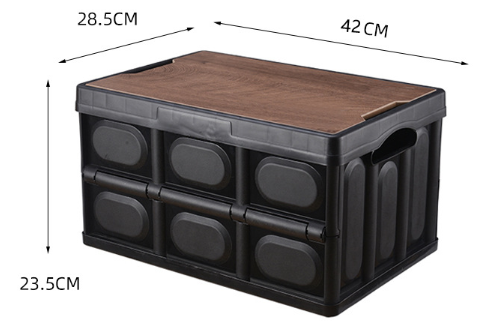
Table of Contents
1. Introduction to Camping Folding Boxes
2. Key Features to Consider
3. Material Comparison Table
4. Practical Use Scenarios
5. Common Buying Mistakes
6. Maintenance and Storage Tips
7. FAQs
8. Conclusion
Camping folding boxes are designed to provide compact, collapsible storage solutions for outdoor activities. Whether for camping, hiking, fishing, or road trips, these boxes help organize gear efficiently while minimizing space usage during transportation.
Unlike traditional storage containers, folding boxes can be collapsed when not in use, making them ideal for users dealing with limited vehicle space or frequent mobility. With advancements in material engineering and structural design, modern camping folding boxes offer enhanced durability, load-bearing capacity, and weather resistance.
2.1 Load Capacity
One of the primary concerns for users is whether the folding box can support heavy equipment such as cooking gear, tools, or food supplies. High-quality models typically support between 20kg and 80kg depending on structure and reinforcement design.
2.2 Material Durability
Materials directly influence lifespan and performance. Common materials include polypropylene (PP), high-density polyethylene (HDPE), and reinforced plastic composites. Each offers varying levels of impact resistance and flexibility.
2.3 Foldability and Space Efficiency
A well-designed folding mechanism ensures quick setup and collapse. Compact folding ratios are especially important for users with limited trunk or storage space.
2.4 Portability Features
2.5 Weather Resistance
Outdoor environments demand resistance to moisture, UV exposure, and temperature fluctuations. Waterproof and UV-resistant materials significantly improve usability.
| Material Type | Durability | Weight | Weather Resistance | Best Use Case |
| Polypropylene (PP) | High | Light | Moderate | General camping |
| HDPE | Very High | Medium | High | Heavy-duty storage |
| Composite Plastic | Extreme | Medium | Very High | Professional outdoor use |
4.1 Camping Organization
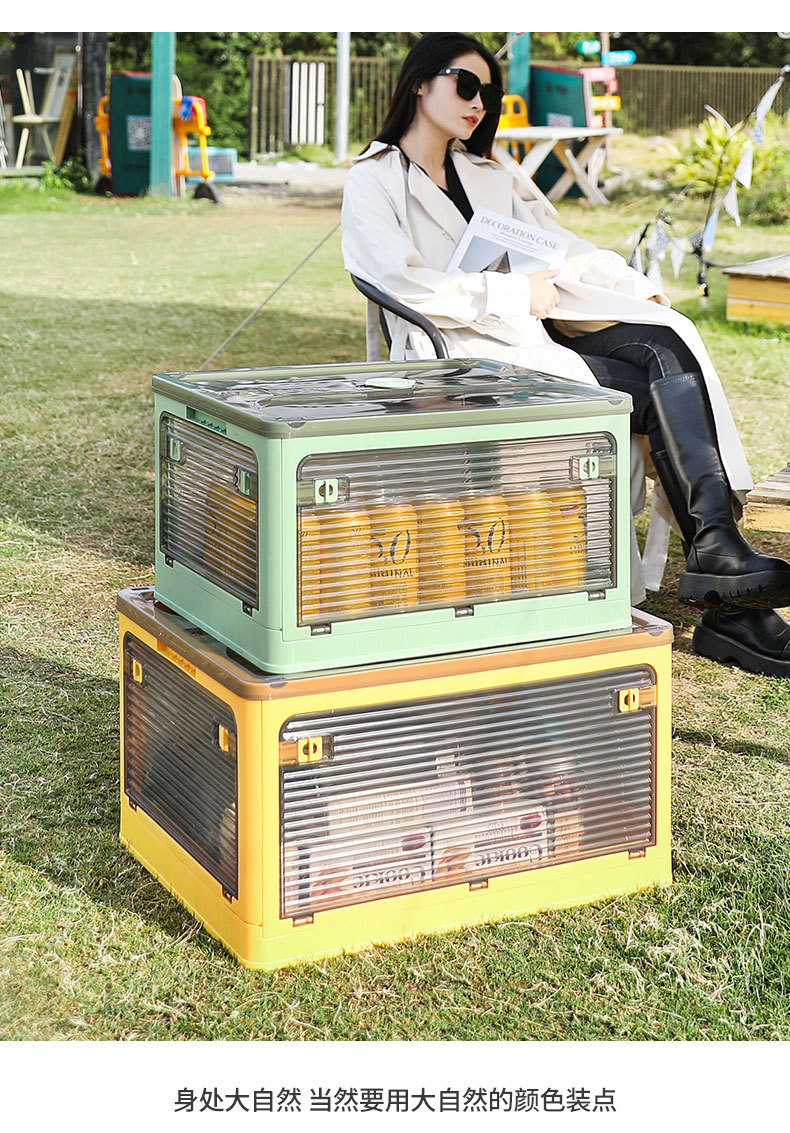
Camping folding boxes allow efficient categorization of cooking utensils, food supplies, and personal items. Stackable designs improve space utilization at campsites.
4.2 Vehicle Storage
For road trips, folding boxes keep car trunks organized and prevent item shifting during movement.
4.3 Outdoor Work and Fishing
Professionals and hobbyists use these boxes to store tools, bait, and equipment, benefiting from their durability and portability.
4.4 Emergency Preparedness
Folding boxes can serve as emergency storage units for essential supplies, ensuring quick access during unexpected situations.
Proper maintenance extends the lifespan of camping folding boxes:
When not in use, fold the box and store it in a compact space to maintain structural integrity and save room.
Q1: What size camping folding box is best for multi-day trips?
For multi-day trips, a medium to large capacity box (40L–70L) is recommended to accommodate food, gear, and essentials without overloading.
Q2: Are camping folding boxes waterproof?
Most models are water-resistant rather than fully waterproof. For sensitive items, additional waterproof liners are advisable.
Q3: Can folding boxes be stacked safely?
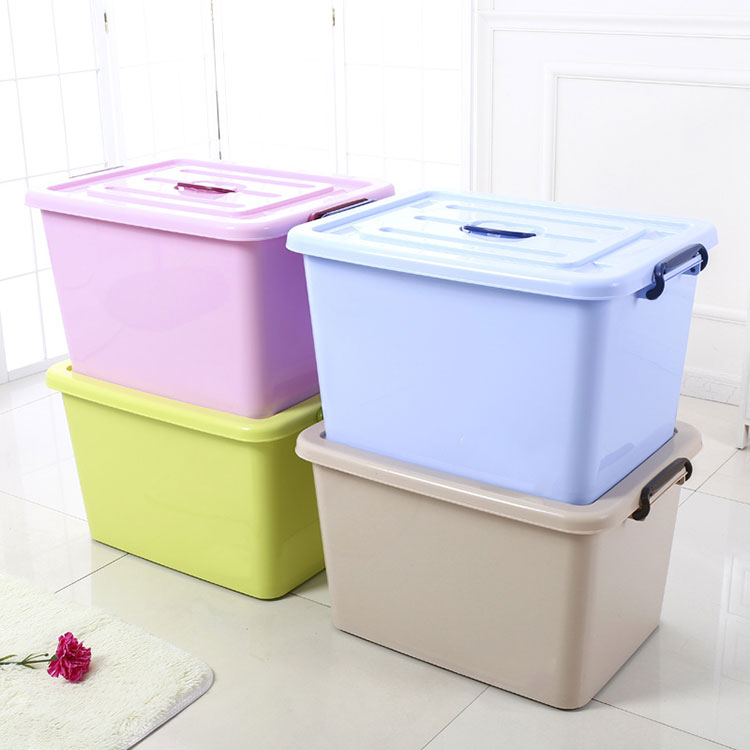
Yes, many designs support stacking. Ensure the base is stable and weight distribution is even to prevent collapse.
Q4: How long do camping folding boxes typically last?
High-quality models can last several years with proper care, especially those made from reinforced materials.
Selecting the right camping folding box requires a careful balance between durability, portability, and capacity. By understanding material differences, evaluating load requirements, and considering real-world usage scenarios, users can significantly enhance their outdoor experience.
DeDeer offers reliable and well-engineered camping folding box solutions designed to meet diverse outdoor storage needs. With a focus on durability, efficiency, and user convenience, these products are suitable for both casual campers and professional outdoor users.
For more information about product specifications or customized solutions, contact us today to discover how the right storage solution can transform your outdoor experience.